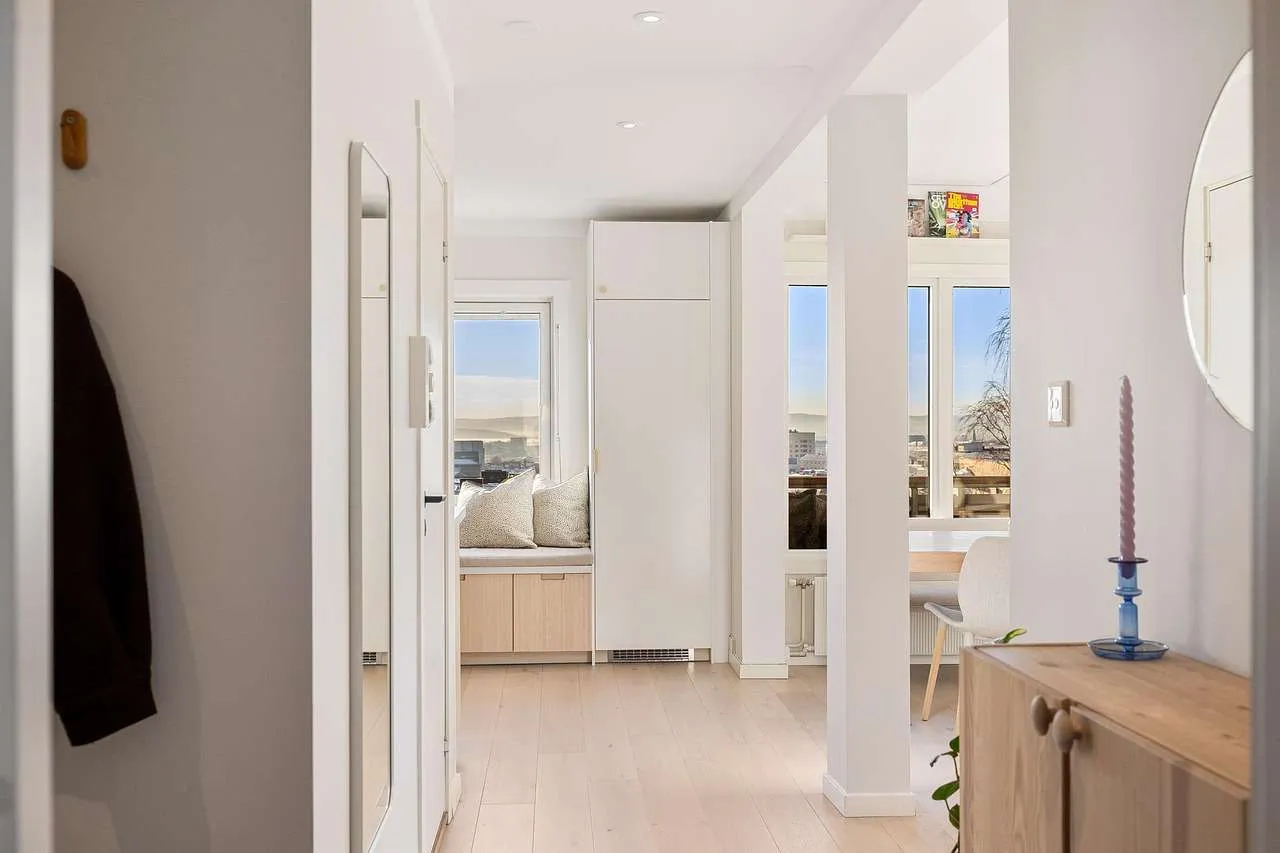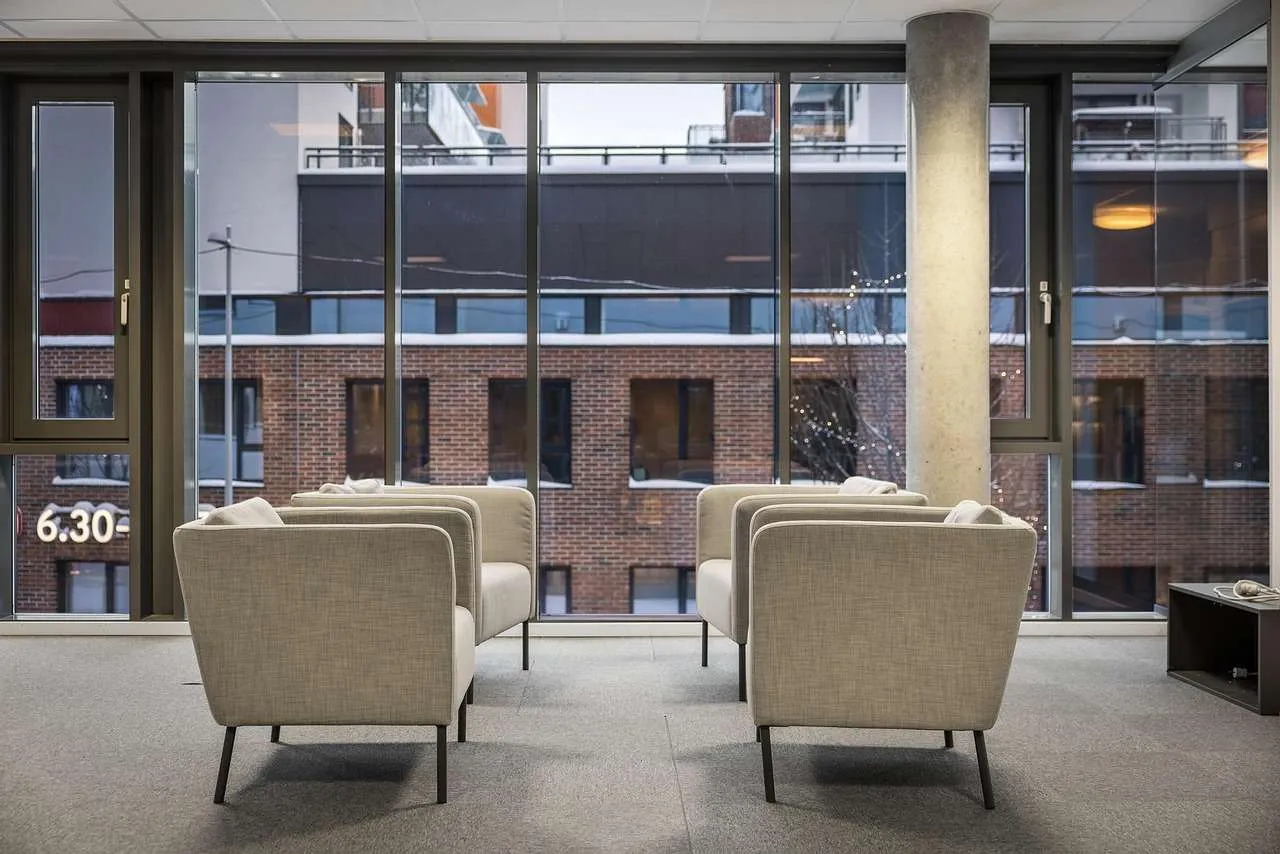
What home window tinting near me means for you
Finding home window tinting near me is about more than proximity. It blends comfort, energy savings, and visual appeal with trusted service. This article draws on industry standards, installer practices, and a consumer focused checklist to help homeowners choose wisely.
Benefits of tinting your home windows
Window films reduce glare, block UV rays, save energy, and increase privacy. Modern films can be chosen to preserve natural light while limiting heat transfer. For homes in sunny climates, tinting can cut cooling costs and shield furniture from fading. For renters or those seeking privacy, tinted windows offer daytime privacy without heavy blinds. Reputable installers also assess safety and privacy needs as part of a full service.
Key benefits include
- Glare reduction and improved comfort in living spaces
- UV protection to minimize fading and skin exposure
- Energy efficiency and potential utility savings
- Enhanced privacy and security with durable films
- Better interior glare control for screens and furnishings
Types of window films
| Film Type | Benefits | Typical Cost | Longevity | HOA Compatibility |
|---|---|---|---|---|
| Dyed film | Good glare control at low cost; preserves color clarity | 5-8 per sq ft | 5-7 years | Usually OK |
| Metalized film | Strong heat rejection; may interfere with electronics | 6-10 per sq ft | 8-12 years | Check device interference rules |
| Ceramic film | Excellent heat rejection; minimal light loss; high clarity | 8-12 per sq ft | 12-20 years | Typically HOA friendly |
| Nano-ceramic film | Top performance; strong UV protection; best for energy | 12-18 per sq ft | 15-25 years | Most HOA compliant |
Choosing a local installer
Local pros bring knowledge of climate, building codes, and HOA requirements. When evaluating options, look for licensed and insured contractors, clear warranties, and manufacturer training. Read reviews, request a portfolio of previous jobs, and confirm film brands and warranty terms. Ask about formal measurements, on site color selection, and whether the project includes heat treating or anti fade glazing for furniture.
What to expect during installation
A typical job starts with a brief consultation, film selection, and precise measurement. Installers prepare the glass, trim edges, and apply the film using specialized tools. The process includes cleaning, squeegeeing, and curing time. Most residential installations are completed in a day or two, with minimal disruption. A quality installer will provide post installation care instructions and a warranty card.
Maintenance and care
To maximize life and appearance, avoid abrasive cleaners and ammonia based products on the film. Clean with a non abrasive, mild solution and a microfiber cloth. Inspect edges for lifting and report any issues promptly. With proper care, most residential films last many years, maintaining clarity and color.
Conclusion, this guide helps you find reliable home window tinting near me, understand film types, compare installers, and enjoy energy savings and UV protection with confidence.