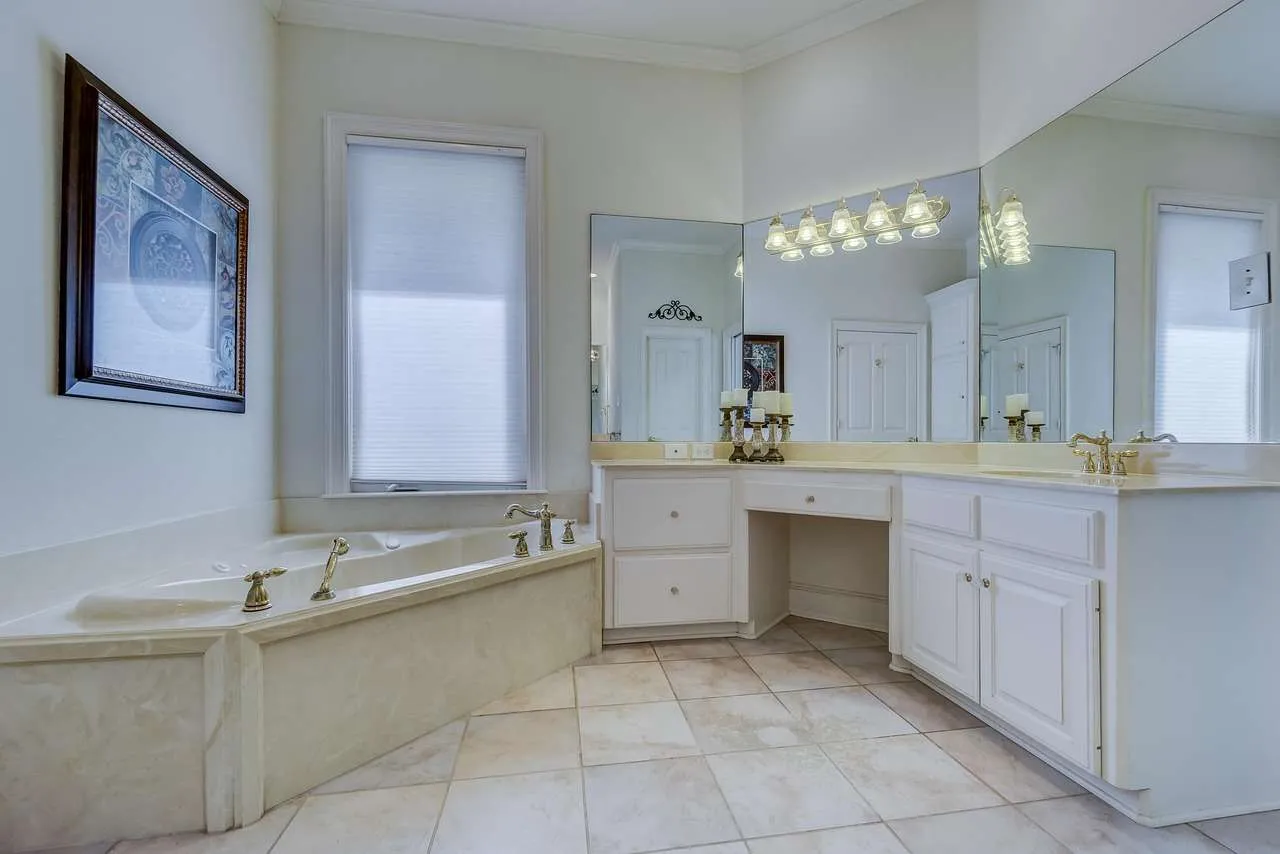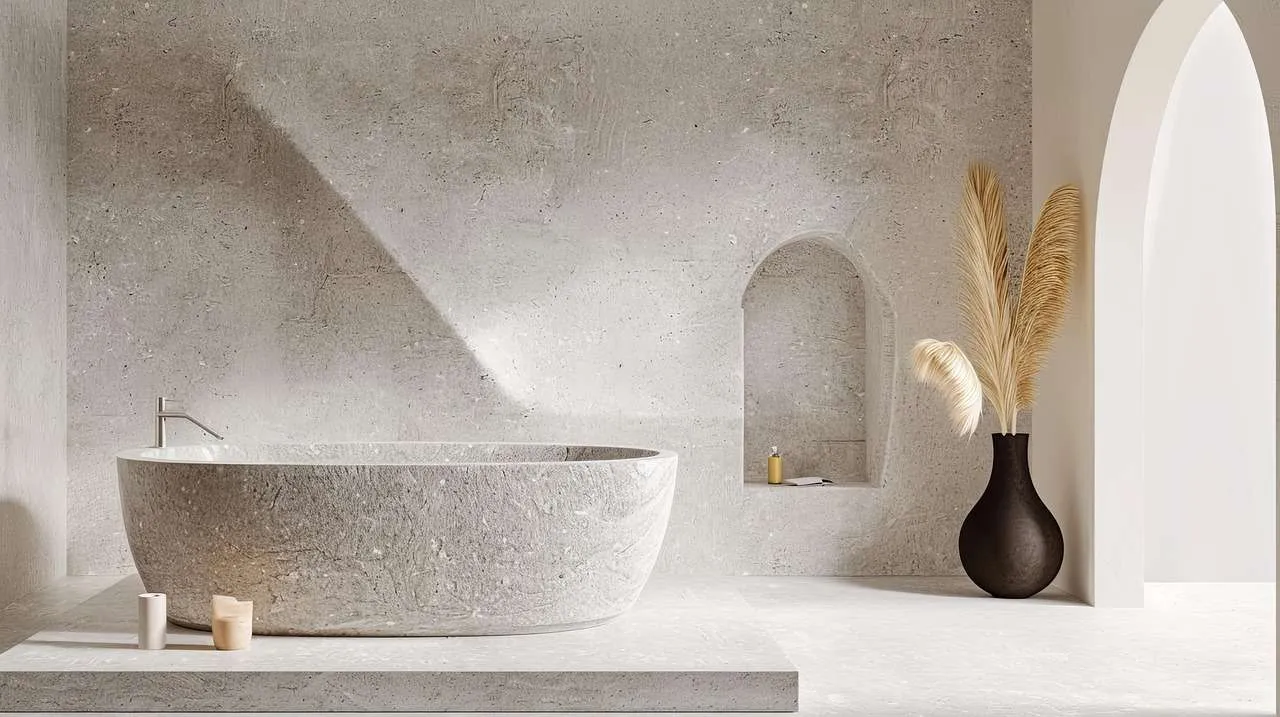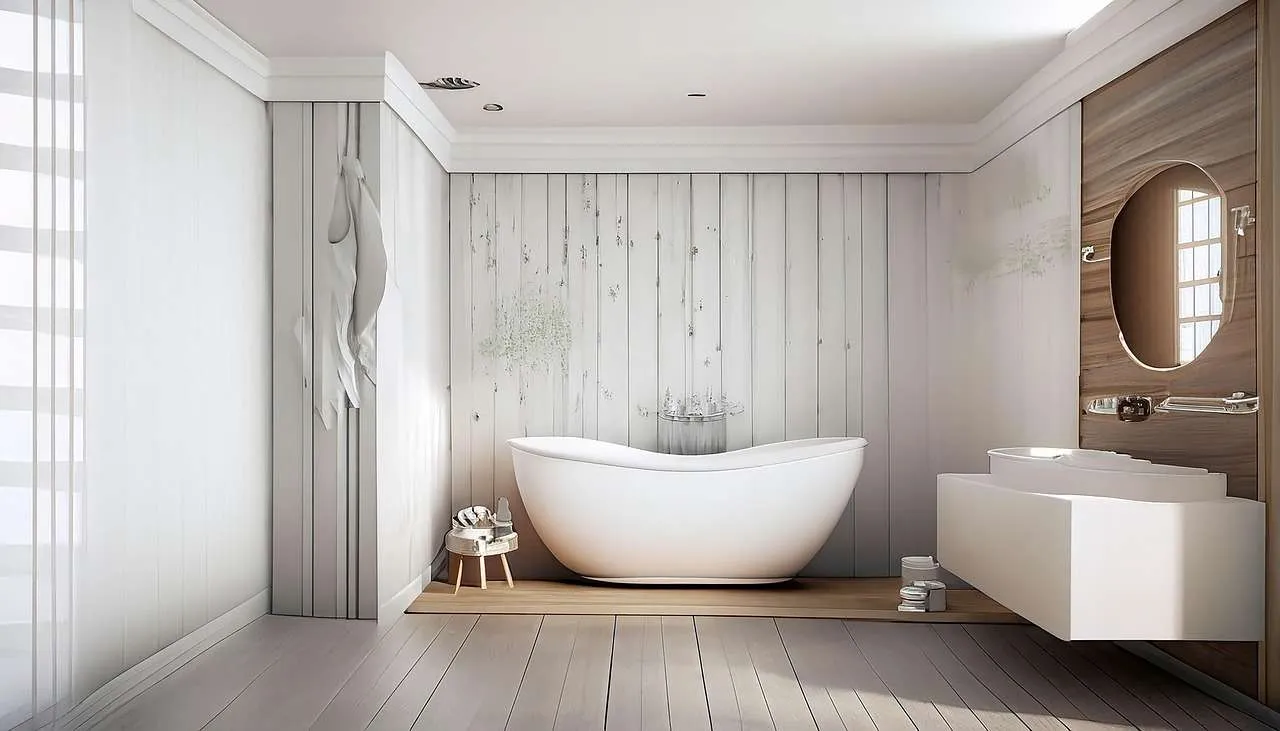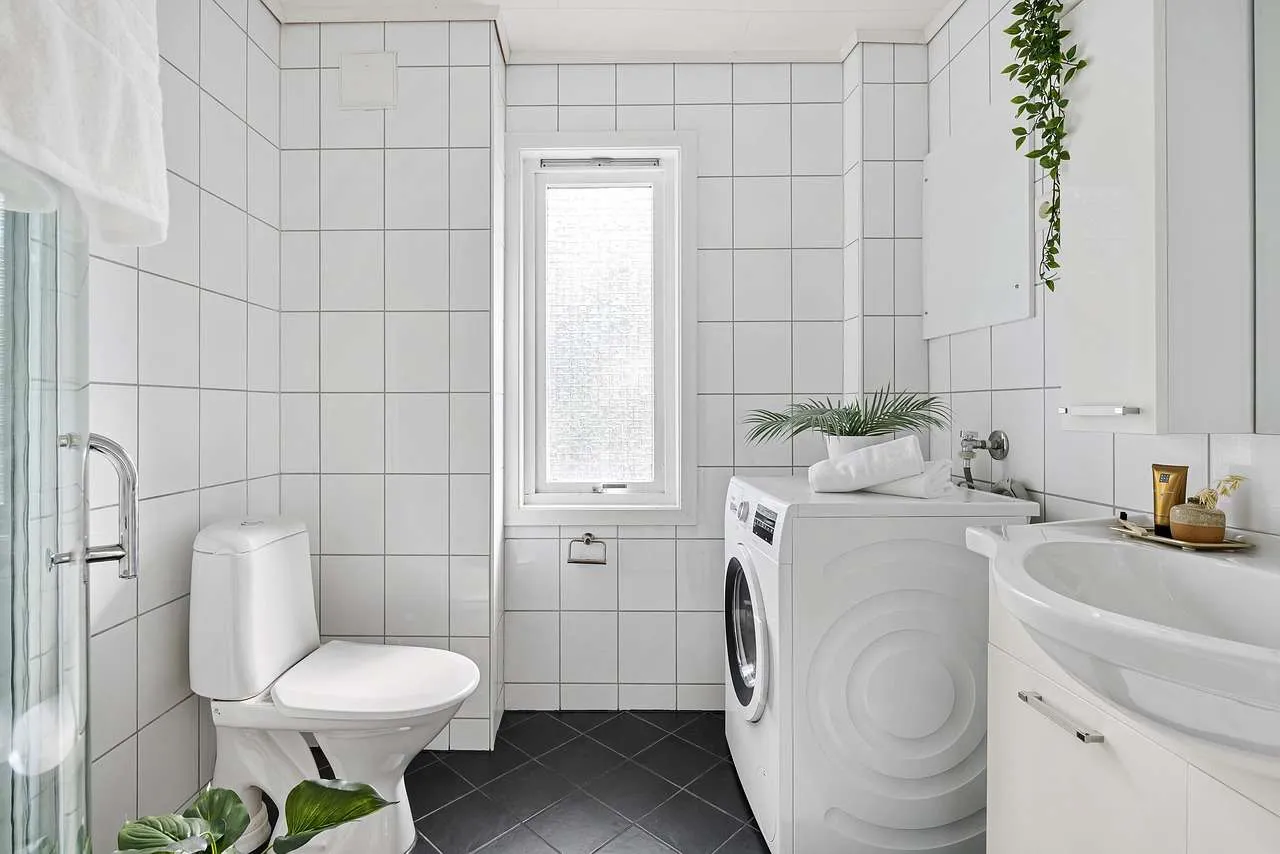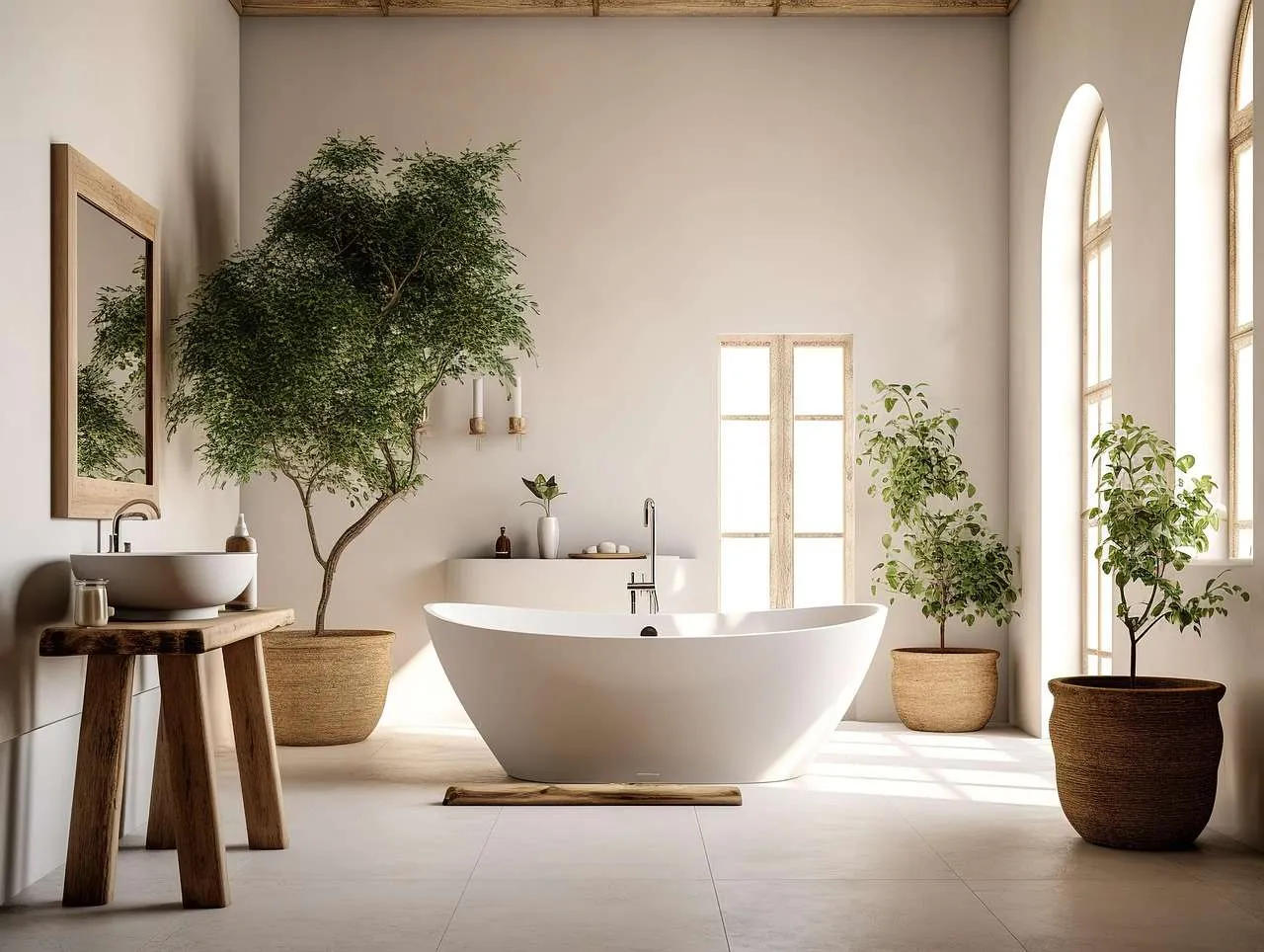
Small bathrooms present design challenges, but with the right ideas you can maximize space without sacrificing style. This guide synthesizes practical, tested approaches from seasoned designers to help you plan, execute, and enjoy a compact bathroom that feels larger, more organized, and highly functional. By focusing on layout, lighting, storage, and durable materials, you can create a space that meets daily needs and stays visually appealing for years.
Smart Layouts and Space-Saving Fixtures
Layout is the backbone of a small bathroom. Prioritize wall-mounted vanities and toilets to free floor space and create an open feel. A corner sink or a compact pedestal sink can shave inches without compromising usability. If privacy and flow matter, consider a pocket door instead of a swinging door to eliminate wasted space. Thoughtful placement of fixtures can transform a cramped footprint into a comfortable, functional room.
Furniture and Fixtures to Consider
Choose compact vanity units with integrated storage, a small-format sink, and a toilet with a slim tank. Floating shelves and recessed niches keep horizontal surfaces clear. Multi-purpose mirrors, medicine cabinets with internal organizers, and modular drawers maximize each inch. For users who value accessibility, consider lever taps and a comfort-height toilet to improve ergonomics without adding bulk.
Light, Color, and Mirrors to Expand Perceived Space
Light colors and reflective surfaces fool the eye into perceiving more space. Use large-format porcelain or ceramic tiles with minimal grout lines and install a large mirror or mirrored cabinet to double the perceived size. Recessed lighting or thin LEDs under vanities brighten corners without clutter. If natural light is limited, a light-wall strategy with cool whites and subtle color accents keeps the room feeling fresh and airy.
Storage Hacks for Small Bathrooms
Vertical storage is your friend. Use tall linen towers, medicine cabinets with removable interior organizers, and over-toilet units. Drawer organizers, pull-out baskets, and corner caddies maximize every inch. Consider a vanity with deep pull-outs rather than shallow drawers to keep daily essentials organized. Hidden or recessed storage reduces visual clutter, while baskets and bins provide quick access for towels and toiletries.
Shower and Tub Options for Small Bathrooms
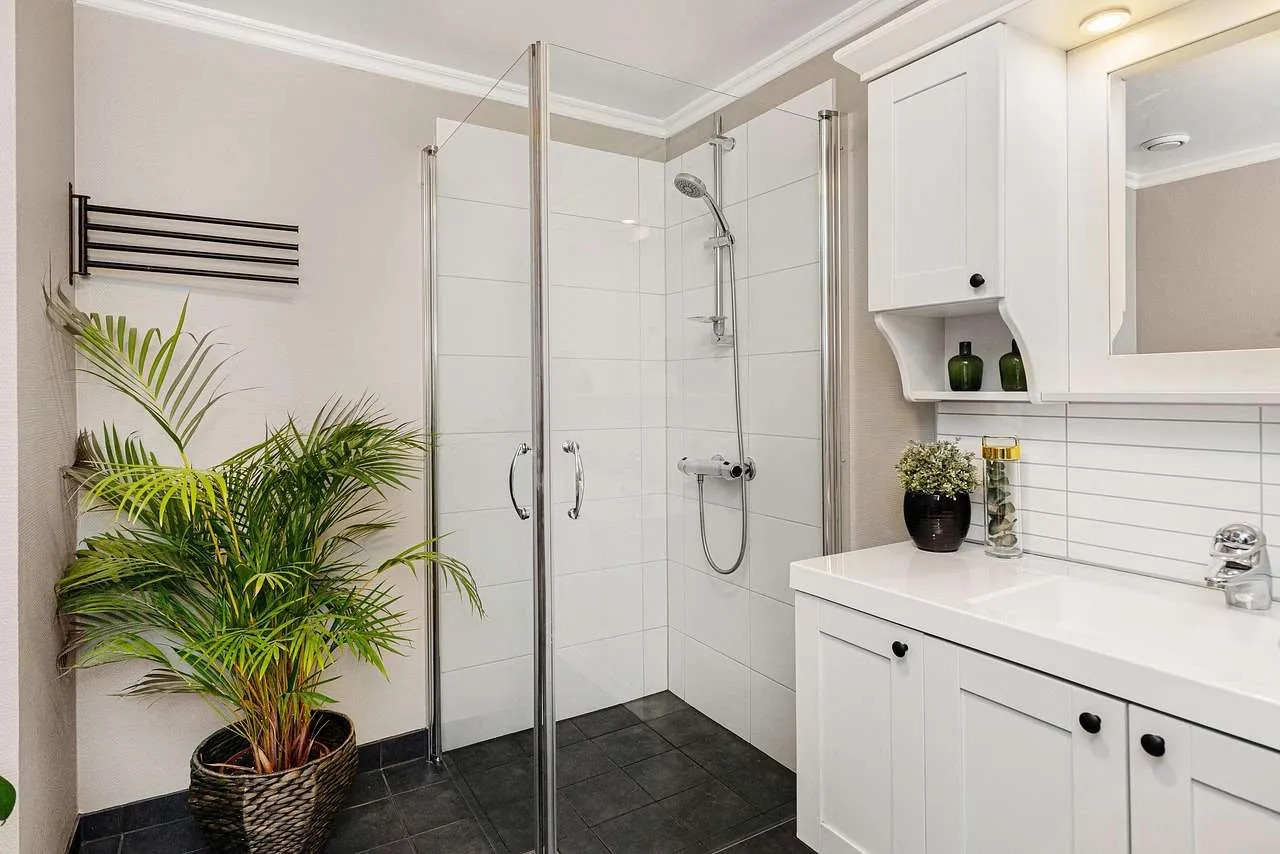
In most tiny bathrooms, a shower enclosure takes more floor space than a compact tub-shower combo or a corner shower. Decide based on your lifestyle and plumbing constraints. Frameless glass panels visually expand space, while niches and benches add convenience. For a cost-effective option, a prefabricated shower stall with a curved or straight glass door can deliver a roomy feel without compromising water containment. If tub bathing is a must, a small alcove tub paired with a shower curtain can be a practical compromise.
Materials, Finishes, and Durability
Choose moisture-resistant materials like ceramic tile, porcelain, and quartz countertops to reduce maintenance. Epoxy grout resists staining and mold better than cement-based grout in humid environments. Non-slip floor options, water-resistant wall panels, and durable paint with mold inhibitors help longevity in high-humidity rooms. Color and finish selections should coordinate with lighting to keep the room cohesive and calm, avoiding heavy, saturating hues that shrink the space visually.
Budgeting, Maintenance, and Practical Tips
Plan a practical budget by prioritizing impact features: a strong vanity, reliable shower, and good lighting. Regular maintenance, like sealing grout and cleaning glass, preserves the look and prevents deterioration. Invest in professional installation for water-tight showers and proper ventilation to prevent mold. If budget is tight, phase the remodel—start with essential updates (ventilation, lighting, storage) and schedule cosmetic changes later to spread costs without sacrificing outcomes.
Quick Comparison: Space-Saving Solutions
| Solution | Pros | Cons | Best For |
|---|---|---|---|
| Corner shower with frameless glass | Maximizes corner space; open feel | May feel smaller if tile/fixture scale is off | Very small baths seeking openness |
| Pocket door | Eliminates door swing; improves flow | Higher install cost | Open floor plan adjustments in tight spaces |
| Vanity with integrated storage | Keeps essentials organized; efficient use of space | Can be pricey | Storage-focused small baths |
| Recessed niches and shelves | Clutter-free surfaces; easy to clean | Requires precise framing | Showers and walls with built-in storage |
Introducing a Cohesive Small Bathroom Plan
Start with a measured plan, select a cohesive color palette, install essential storage, and fit fixtures to scale. Prioritize ventilation and water protection to ensure long-term value. You can mix style and function to craft a space that feels bigger than it is. Keep a small bathroom visually calm by limiting decor to two or three accent colors and choosing materials that age well.
Conclusion, small bathroom ideas thrive on smart layouts, wall-mounted storage, and light, reflective finishes. By selecting compact fixtures, optimizing shower and vanity design, and incorporating durable materials, you create a space that feels larger, functions better, and stays stylish for years.